You know how organizing a major event on your property requires a master plan to prevent chaos. We understand that coordinating a Latter-day Saint wedding involves a similarly complex logistical challenge.
The process requires managing two distinct guest groups with different access levels and expectations.
This guide will outline exactly how to handle the temple list and the reception list, so you can execute a flawless event that respects your budget and your guests.
Managing the Two-Part Guest List
One of the unique aspects of planning a Latter-day Saint wedding is organizing two separate guest rosters. A 2026 study from The Knot found the average US wedding guest count is 117 people, but your total list might easily exceed that number.
We see many hosts struggle to balance the exclusive nature of the temple ceremony with a massive celebration afterward. Sealing ceremonies are restricted to guests holding a current temple recommend, which naturally scales down the first list.
To keep your lists organized, you can use digital tools designed for complex event management:
- Guesticon: A newer 2026 tool boasting a 97% RSVP completion rate.
- Zola: This platform offers conditional logic to prevent uninvited plus-ones.
- The Knot: Excellent for syncing your headcount directly with vendor contracts.
This dual-list system can feel awkward if you have close friends or family members excluded from the sealing. Our team frequently reminds clients that this is a standard part of Latter-day Saint wedding culture. With thoughtful planning, you can make every guest feel welcomed and included.
Who Typically Attends the Temple Sealing?
Temple sealings are sacred and intimate affairs. Seating inside the sealing room is strictly limited, much like a VIP boardroom or an exclusive private venue.
We suggest keeping this specific guest list tightly restricted to your closest circle. Common attendees include:
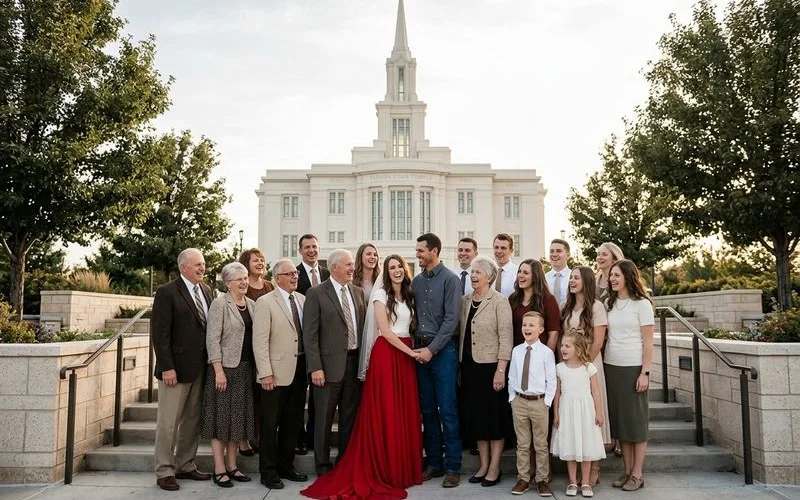
- Parents and stepparents of both the bride and groom
- Grandparents
- Siblings who hold temple recommends (younger siblings may wait outside)
- Close aunts, uncles, and cousins who are active members
- A few close friends who hold current temple recommends
There is no universal rule for capacity, as physical room sizes vary wildly across the country. The Payson Utah Temple features three large sealing rooms that hold up to 70 guests.
Smaller regional temples might max out between 30 and 40 attendees. Our best advice is to confirm the exact seat count when you book the room. A smaller, more intimate group often creates a peaceful and meaningful experience for everyone involved.
Who Attends the Reception or Open House?
The reception or open house serves as your main celebration and is open to everyone. This event functions similarly to a large-scale corporate mixer or a neighborhood block party.
Your reception guest list typically includes a much broader network of people. We suggest casting a wide net to include the following groups:
- All family members, including those who could not attend the sealing
- Friends from all stages of life, spanning school, work, and your local ward
- Non-member friends and family who hold a special place in your life
- Coworkers, neighbors, and community connections
- Parents’ friends and associates, which is very common in Latter-day Saint culture
In areas like Utah, open house guest lists frequently swell to 300 or even 500 attendees. The informal format allows you to host a massive crowd without the staggering per-plate costs of a traditional sit-down dinner.
Data from The Knot in 2026 shows the average cost per wedding guest in the US is $292. Our preferred strategy is utilizing drop-off catering or food stations to keep those per-head costs manageable while still feeding a large crowd.

How to Handle the Invitations
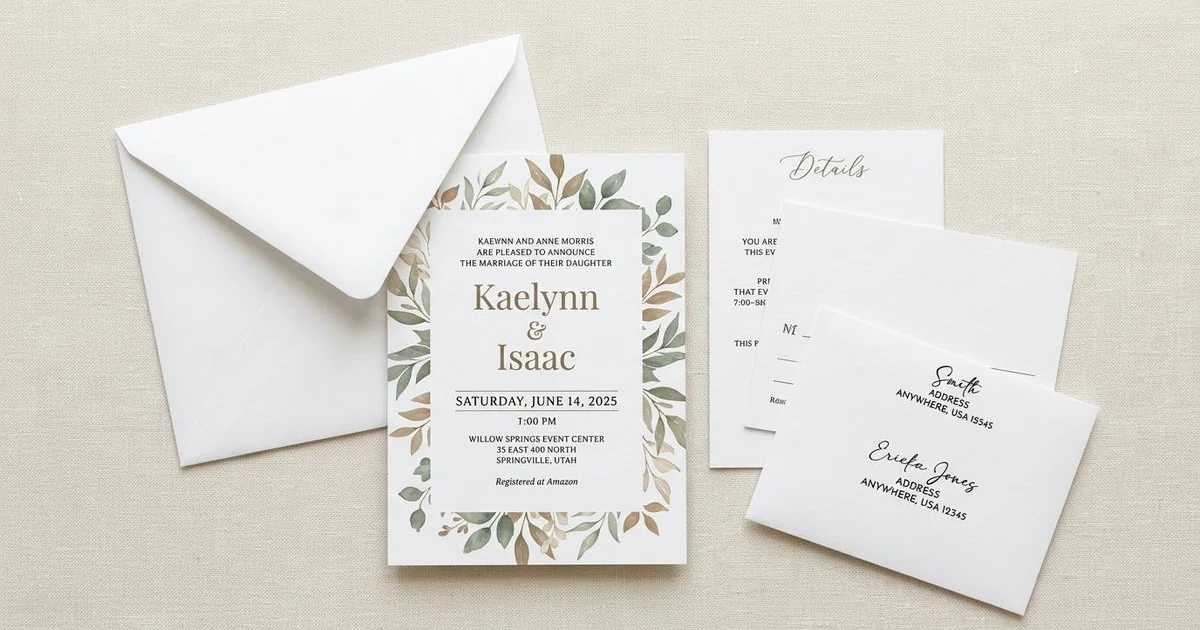
The key to organizing these two guest lists gracefully lies in the structure of your invitation suite. Creating a cohesive package prevents confusion and ensures proper etiquette.
We have found that a modular invitation strategy works flawlessly for this specific logistical challenge.
Everyone Gets the Main Invitation
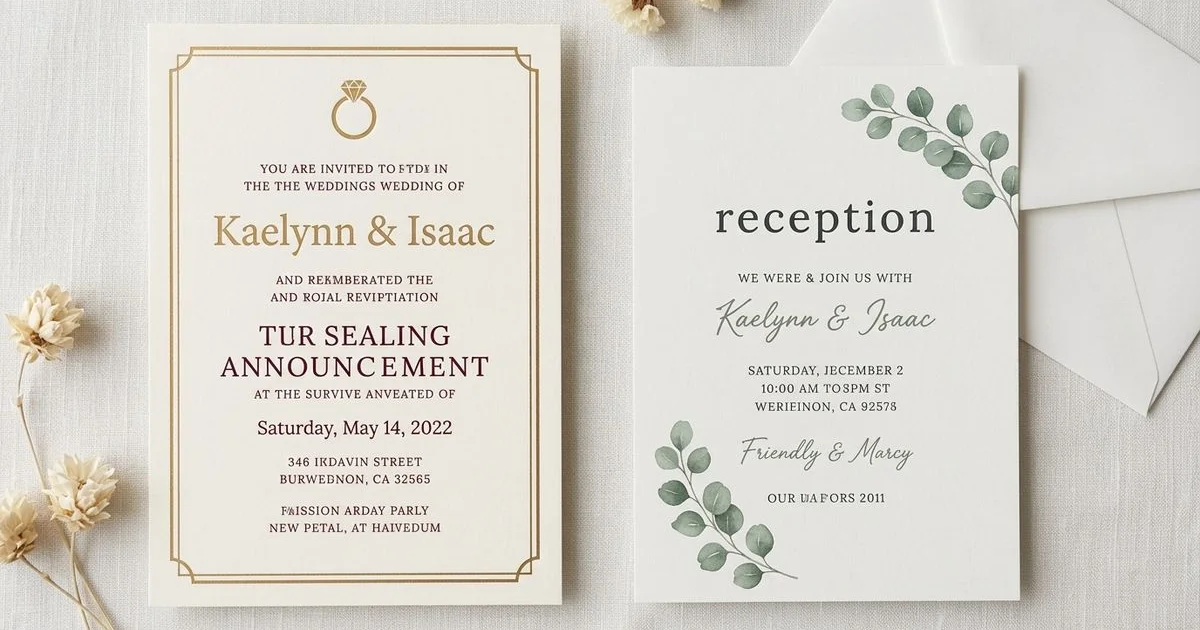
Your main invitation card must focus entirely on the event that all guests are invited to attend. This is almost always the reception or the open house.
Our rule of thumb is to ensure every single person who opens an envelope feels immediately welcomed to the primary celebration. This prevents anyone from seeing an exclusive event they cannot attend printed on the main card.
Sealing Guests Get an Additional Insert Card
Guests invited to the temple sealing will receive a separate insert card tucked into their envelope. This specific piece of stationery contains the temple details, the required arrival time, and any ceremony-specific instructions.
We advise keeping this insert card smaller than the main invitation, typically a standard 3.5 by 5-inch enclosure. This distinct size makes it clear that the card is supplementary information meant only for the recipient.
Consider a Ring Ceremony Card for Non-Members
You might have close non-member family or friends who cannot enter the temple, which can create a scheduling gap for them. Hosting a ring ceremony provides a beautiful compromise that allows them to witness an exchange of vows.
Our team highly recommends adding a separate insert card to invite these specific guests to the alternative ceremony. You can learn exactly how to format this in our detailed guide on ring ceremony vs. reception invitation etiquette.
This extra step shows immense respect for their desire to support your milestone.
Handling Sensitive Situations
Managing family expectations often becomes the most emotionally delicate part of planning a Latter-day Saint wedding. A recent 2025 Zola survey found that 29% of couples consider creating the guest list the single most stressful task in the entire planning process.
We believe transparency and empathy are the best tools for defusing tension.
When Close Family Cannot Attend the Sealing
A parent, sibling, or close friend who does not hold a current temple recommend will not be able to attend the sealing. This reality can bring up difficult feelings that require a thoughtful strategy.
Our recommendations for handling this situation include:
- Acknowledge their importance. A personal conversation expressing how much they mean to you helps immensely.
- Include them in other events. A catered luncheon or a ring ceremony creates special moments with people who cannot be at the sealing.
- Invite them to a Temple Arrival Center. Many temples offer dedicated waiting rooms or visitor centers, such as the Oakland Temple grounds, where guests can wait comfortably.
- Do not over-explain on the invitation. Simply not including the sealing insert card in their envelope is sufficient.
When You Are Not Sure About Someone’s Temple Recommend Status
If you are unsure whether a guest holds a current temple recommend, you might hesitate to send the sealing insert card. We advise going ahead and including the insert card in their envelope anyway.
They will know their own status, and including the card signals that they are welcome to attend if they can. Sending invitations 6 to 8 weeks out gives them plenty of time to process their response.
A Practical Approach to Organizing Envelopes
As you prepare to stuff envelopes, an assembly-line strategy minimizes expensive mistakes. The average cost to mail a 1-ounce letter via the United States Postal Service in 2026 is 78 cents for a single Forever Stamp.
We recommend creating two distinct stacks to prevent wasting expensive postage or sending the wrong combination.
- Sealing + Reception stack: This includes the main invitation, the sealing insert card, the reception open house card, and any other inserts. These go only to temple-recommend-holding guests invited to the sealing.
- Reception-only stack: This includes the main invitation, the reception card, and any other inserts. These go to everyone else.
This system is remarkably simple and drastically reduces the chance of putting a sealing card in the wrong envelope.
Making Every Guest Feel Welcome
The most important thing to keep in mind is that every single person on your guest list matters to the success of your event. Whether they are sitting in the sealing room or greeting you at the open house, each guest contributes to the celebration.
We hope this breakdown clarifies the core dilemma: Who Gets Invited to the Temple Sealing vs. the Reception? A Simple Guide like this one gives you a concrete action plan to work from. Just like managing a property renovation or a major business launch, successful wedding execution comes down to clear communication.
A thoughtful LDS wedding invitation suite sets the perfect tone for your wedding day.
Ready to get started on your custom stationery? Request a free quote or explore our temple sealing invitations.